Tropical Seamless Floral Patterns: A Trend in Design and Creativity
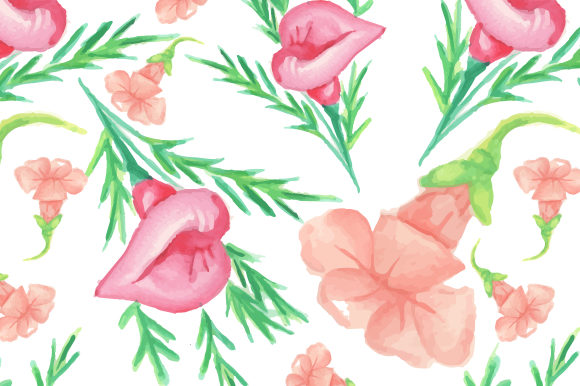
In the ever-evolving world of design and creativity, patterns continue to play a pivotal role in shaping visual identity and aesthetic appeal. Among the most sought-after trends in recent years is the Tropical Seamless Floral Pattern, a versatile and visually rich design that has captured the imagination of professionals, creators, and consumers alike. This pattern, characterized by its hand-painted watercolor floral motifs in shades of pink and green, offers both artistic depth and functional utility across a wide range of applications.
What Is a Tropical Seamless Floral Pattern?
A Tropical Seamless Floral Pattern is a type of repeating design that features tropical flora such as orchids, hibiscus, and ferns rendered in soft, watercolor-style strokes. The term “seamless” refers to the fact that the pattern can be repeated without visible seams or breaks, making it ideal for use on fabric, wallpaper, textiles, and digital assets. These patterns are typically created through a combination of traditional artistry and modern digital techniques.
The Tropical Watercolor Floral Pattern with Pink and Green is particularly popular due to its soothing color palette and organic feel. Hand-painted using real watercolor, these designs capture the essence of nature in a way that feels both authentic and contemporary. Once completed, they are converted into digital files, allowing for easy integration into a variety of creative projects.
Why Are People Paying Attention to Tropical Seamless Floral Patterns?
The growing interest in Tropical Seamless Floral Patterns reflects broader shifts in consumer behavior, design preferences, and market demands. Today’s audiences are increasingly drawn to natural, organic aesthetics that evoke a sense of calm and connection to the environment. This trend aligns with the rise of biophilic design, which emphasizes the integration of natural elements into everyday spaces and products.
Additionally, the popularity of Tropical Seamless Floral Patterns is fueled by the increasing demand for customizable and adaptable design solutions. In an era where personalization is key, these patterns offer a flexible yet cohesive visual language that can be applied across multiple platforms and industries.
Applications of Tropical Seamless Floral Patterns
The versatility of Tropical Seamless Floral Patterns makes them suitable for a wide array of uses. From fashion and home décor to branding and product packaging, these patterns have found a place in various sectors:
- Dress Patterns: Used in the creation of flowy, elegant garments that blend comfort with style.
- Pillow Patterns: Adding a touch of sophistication and warmth to home interiors.
- Product Packaging: Enhancing the visual appeal of consumer goods while reinforcing brand identity.
- Wallpaper and Textiles: Transforming spaces with a consistent, nature-inspired aesthetic.
- Digital Assets: Integrated into websites, social media graphics, and app interfaces for a cohesive brand look.
These patterns are not just decorative; they serve as a bridge between art and functionality. For designers and entrepreneurs, they offer a ready-made solution that can be easily adapted to meet specific project needs.
Trends Driving the Popularity of Tropical Seamless Floral Patterns
The surge in interest in Tropical Seamless Floral Patterns is also tied to several industry and lifestyle trends:
- Sustainable Design: As eco-consciousness becomes more prevalent, patterns inspired by nature resonate with consumers looking for sustainable and meaningful design choices.
- Digital Transformation: The ability to convert hand-painted designs into digital formats supports the shift toward online commerce and remote work, enabling greater accessibility and scalability.
- Minimalist Aesthetics: While tropical patterns may seem vibrant, their seamless repetition allows for a clean, uncluttered look that fits well within minimalist design frameworks.
- Global Market Reach: With digital tools, creators can share and sell their designs globally, expanding their audience and revenue potential.
Practical Insights for Creators and Entrepreneurs
For professionals and entrepreneurs in the design space, leveraging Tropical Seamless Floral Patterns can open up new opportunities. Here are some practical insights:
1. Understand Your Audience: Know who your target market is and what kind of aesthetic they prefer. Whether it's a boutique fashion line or a home décor brand, tailoring your use of patterns to match your audience's values and tastes is essential.
2. Embrace Digital Tools: Utilize design software like Adobe Illustrator or Procreate to create and refine your patterns. These tools allow for precise control over color, scale, and repetition, ensuring high-quality output.
3. Expand Your Offerings: Consider offering pattern licenses or downloadable templates to cater to a wider range of users, from small businesses to individual creators.
4. Stay Ahead of Trends: Keep an eye on emerging design movements and consumer preferences. Being proactive in adapting your offerings can give you a competitive edge in the market.
The Future of Tropical Seamless Floral Patterns
As we move further into the digital age, the role of Tropical Seamless Floral Patterns is likely to expand even more. With advancements in AI-assisted design and virtual prototyping, the possibilities for customization and application are virtually limitless.
Moreover, the growing emphasis on mental health and well-being means that designs that promote relaxation and positivity—like those inspired by tropical flora—will continue to gain traction. This presents a unique opportunity for creators to innovate and connect with audiences on a deeper level.
In conclusion, Tropical Seamless Floral Patterns are more than just a design trend—they represent a shift in how we approach creativity, sustainability, and personal expression. Whether you're a designer, entrepreneur, or enthusiast, embracing this pattern can help you stay relevant and inspired in an ever-changing creative landscape.