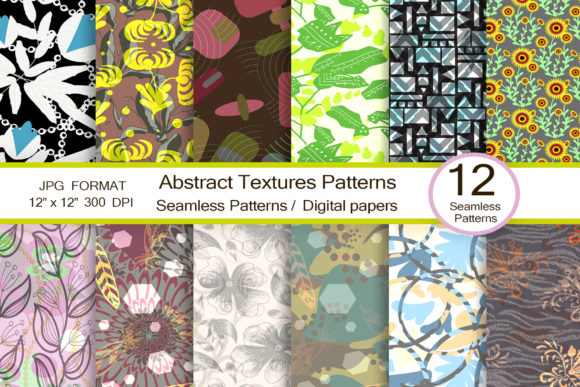
Abstract Texture Patterns: A Versatile Tool for Creative Designers
In the ever-evolving world of design, abstract texture patterns have become a staple for creators looking to add depth, interest, and visual appeal to their projects. Whether you're crafting digital art, designing print materials, or working on web graphics, these patterns offer a unique way to elevate your work. Among the most popular types of abstract textures are those used in scrapbooking, which provide both aesthetic value and functional versatility.
The Appeal of Abstract Texture Patterns in Scrapbooking
Scrapbookers often seek materials that not only look visually appealing but also serve multiple purposes. Abstract texture patterns fit this need perfectly. These designs are typically non-representational, meaning they do not depict real-world objects but instead focus on shapes, colors, and forms to create a sense of movement and energy.
One of the key advantages of using abstract texture patterns in scrapbooking is their adaptability. They can be layered over photographs, text, or other elements to add dimension without overpowering the main content. This makes them ideal for creating backgrounds, borders, and accents that complement rather than compete with the focal points of a layout.
Additionally, abstract texture patterns can help unify a scrapbook's design. By using consistent patterns across different pages or spreads, designers can create a cohesive look that ties all elements together. This is especially useful when working on themed scrapbooks or albums where maintaining a visual narrative is important.
Modern Digital Paper: The New Standard in Design Workflows
With the rise of digital design tools, modern digital paper has become an essential resource for creatives. Unlike traditional paper, digital paper offers a wide range of customization options, allowing users to adjust colors, sizes, and layouts to suit their specific needs.
Digital paper comes in various formats, including seamless patterns, which are designed to repeat without visible seams. This makes them perfect for use in backgrounds, wrapping papers, and fabric prints. For example, a 12 x 12 seamless pattern can be easily scaled and repeated to cover large surfaces while maintaining a clean, professional look.
When it comes to selecting digital paper, factors such as resolution and file size play a crucial role. High-resolution files, like those with 300 ppi (pixels per inch), ensure that the patterns remain sharp and clear even when printed at larger sizes. Additionally, having access to multiple file formats, such as JPG, allows for greater flexibility in how the designs are used and shared.
Trendy Hand Drawn Abstract Patterns: A Modern Design Trend
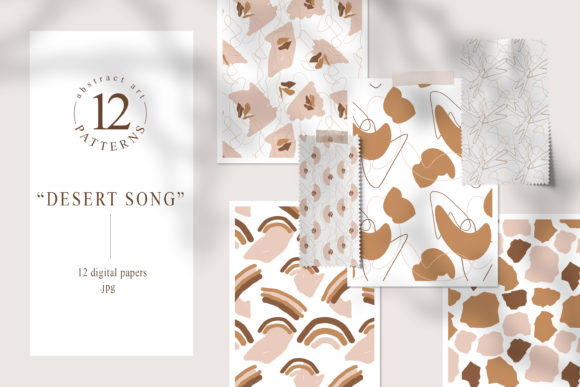
Hand-drawn abstract patterns have gained popularity in recent years due to their organic feel and artistic charm. These patterns often feature irregular shapes, fluid lines, and soft gradients that give a more natural and less manufactured appearance compared to computer-generated designs.
For designers looking to incorporate hand-drawn elements into their work, these patterns offer a fresh and contemporary alternative to traditional textures. They are particularly well-suited for use in blog backgrounds, invitations, and web graphics where a more personal and artistic touch is desired.
Moreover, hand-drawn abstract patterns can be easily adapted to different design styles. Whether you're creating a minimalist layout or a bold, statement-making design, these patterns can be customized to match your vision. Their versatility makes them a valuable addition to any designer's toolkit.
Seamless Pattern 12 x 12: Perfect for a Variety of Applications
A 12 x 12 seamless pattern is a popular choice among designers due to its practicality and scalability. This format allows for easy repetition without visible seams, making it ideal for use in a wide range of applications, from gift wrapping papers to home decor items.
When designing with a 12 x 12 seamless pattern, it's important to consider how the pattern will be used in different contexts. For example, a pattern designed for scrapbooking may require a more subtle texture to avoid overwhelming the main content, while a pattern intended for fabric printing might benefit from more intricate details.
Another advantage of the 12 x 12 format is its compatibility with various design software. Whether you're using Adobe Photoshop, Illustrator, or other graphic design tools, the uniform size of the pattern ensures that it can be easily integrated into your workflow without additional adjustments.
Vintage Floral Patterns: A Timeless Design Element
While abstract texture patterns are often associated with modern design, vintage floral patterns continue to be a popular choice for many creatives. These patterns feature intricate floral motifs that evoke a sense of nostalgia and elegance.
Vintage floral patterns are particularly well-suited for use in home decor, cardmaking, and stationery projects. Their timeless appeal makes them a versatile option that can be paired with both traditional and contemporary design elements.
When incorporating vintage floral patterns into your work, it's important to consider the overall aesthetic of your project. These patterns can add a touch of sophistication to a design, but they should be used thoughtfully to avoid overwhelming the composition.
Choosing the Right Abstract Texture Patterns for Your Projects
When selecting abstract texture patterns for your projects, there are several factors to consider. First, think about the purpose of the design. Are you creating a background for a website, a wrapping paper for gifts, or a scrapbook page? The intended use will influence the type of pattern that is most appropriate.
Next, consider the level of detail and complexity in the pattern. Some patterns may be too intricate for certain applications, while others may lack enough visual interest. It's important to find a balance that complements your design without overshadowing it.
Finally, pay attention to the quality of the pattern. High-resolution files ensure that the patterns remain crisp and clear, even when printed at larger sizes. Additionally, having access to multiple file formats, such as JPG, allows for greater flexibility in how the patterns are used and shared.
Conclusion: Embracing the Power of Abstract Texture Patterns
Abstract texture patterns offer a unique and versatile solution for designers across a wide range of industries and applications. From scrapbooking to web design, these patterns provide a creative way to add depth, interest, and visual appeal to your work.
By choosing high-quality, adaptable patterns, designers can enhance their projects while maintaining a cohesive and professional look. Whether you're working with vintage floral designs or modern abstract textures, the right pattern can make all the difference in the final result.